
Alex Pereira Fight: Were Illegal Head Blows Used?
The combat sports community is buzzing after the latest Alex Pereira fight, but this time it isn’t just about his terrifying knockout power. Fans and analysts are locked in a heated debate over whether the reigning champion utilized illegal strikes to secure his latest victory.
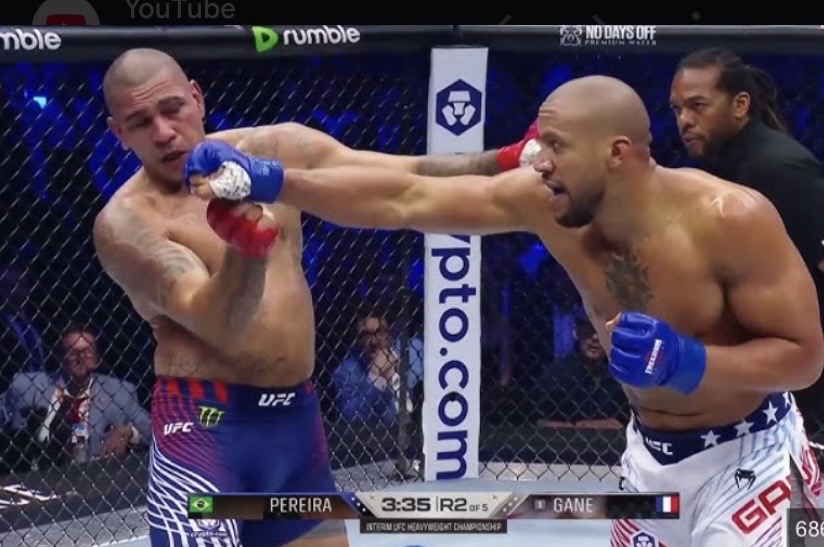
While “Poatan” is known for his devastating left hook, slow-motion replays from the broadcast have sparked massive debates across social media. Critics point to a sequence along the fence where several strikes appeared to land dangerously close to the back of the opponent’s head.
Let’s dive into the official unified rules of MMA, break down the fight film, and look at how the referee handled the situation.
Defining Back of the Head Strikes in the Unified Rules
To understand the controversial illegal blows to the head, we have to look closely at the official regulatory definitions. The Association of Boxing Commissions (ABC) defines the “back of the head” as a specific five-inch wide strip running down the center of the skull.
[Mohawk Area Definition]
Top of the Crown ──► Spine
(A 5-inch wide vertical pathway where strikes are strictly prohibited)
Fighters routinely target the sides of the head and the area directly behind the ear. While these shots look brutal, the rules legally permit them. The referee only steps in if a fighter lands a direct blow within that central “mohawk” zone.
Breaking Down the Film From the Alex Pereira Fight
During the finishing sequence of the Alex Pereira fight, the challenger turned his back slightly while trying to escape a heavy combination. This split-second movement is exactly where the controversy begins for Rnd5Media readers.
When an opponent moves into a strike, athletic commissions grant referees significant discretion. Replays indicate that Pereira threw his punches on a legal trajectory, aiming directly for the jaw and the side of the head.
Because his opponent shifted dynamically mid-exchange, some of the impact inevitably drifted toward the restricted zone. In these highly fluid situations, referees rarely penalize the attacking fighter because they did not intentionally target the back of the skull.
How Officials and Experts View the Stoppage
The referee allowed the action to continue, ultimately leading to a definitive technical knockout (TKO) victory. High-profile referees frequently remind the public that dynamic movement protects a fighter from receiving a disqualification or a point deduction.
This specific sequence highlights a major gray area in modern mixed martial arts officiating. Many pundits argue that referees need to enforce these safety guidelines much more strictly to protect athlete health.
However, the consensus among veteran judges holds that the controversial illegal blows to the head were simply the result of natural cage movement. Pereira targeted permissible areas, and the commission upheld the official victory.
Watch the video where Alex Pereira talks about illegal blows to the head during his fight with Ciryl Gane.
Editor’s Note: For more expert breakdowns and the latest combat sports analysis, check out our Rnd5Media Event Coverage page. To review the official regulatory guidelines yourself, you can read the complete Association of Boxing Commissions Unified Rules.